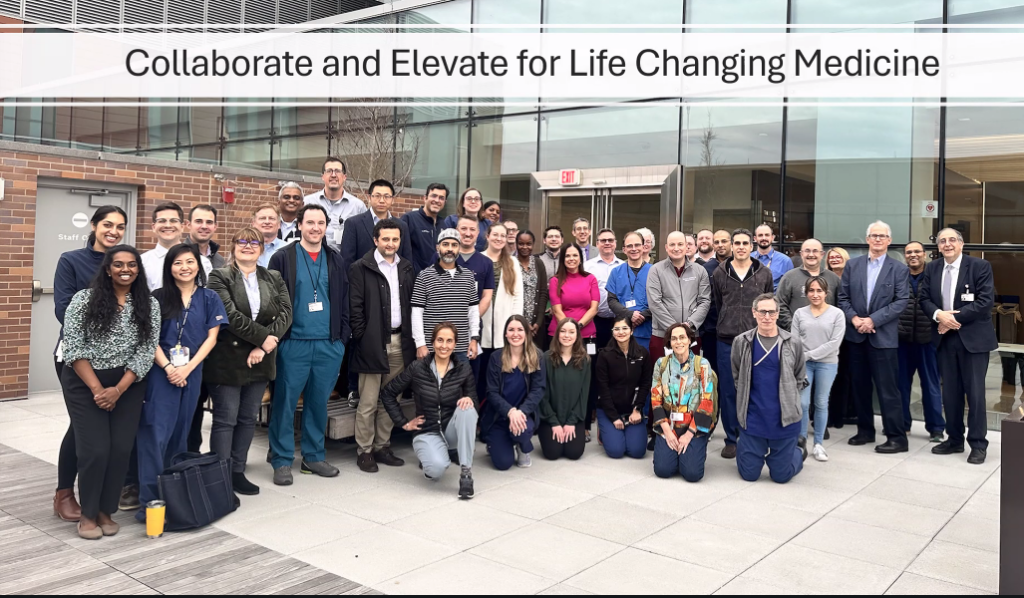
The UPMC Mercy Vision Institute is unique because of its extensive collaboration. In the Eye & Ear Foundation’s February 9th webinar, “Collaboration of Optometry and Ophthalmology,” Jerome Finkelstein, MD, FACS, Chief of Ophthalmology at UPMC Mercy and UPMC Presbyterian Shadyside, and Ellen Butts, OD, Division Chief of the Optometry and Contact Lens Service and Program Director of the Optometry Ocular Disease Residency, talked about one such partnership.
The Vision Institute has 46 ophthalmologists covering eight divisions, including sub-specialty care. Of the 14 optometrists, seven are focused on comprehensive care, and the other seven are integrated into sub-specialty teams including neuro-ophthalmology, glaucoma, pediatrics, the Dry Eye Center, specialty contact lens fittings (collaborates with cornea), and low vision rehabilitation (collaborates with retina).
Optometric Education
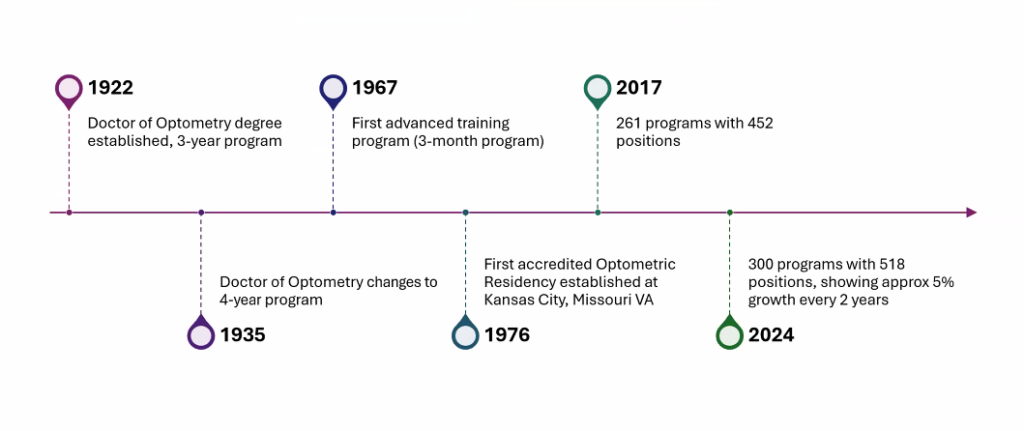
Dr. Butts said that people often ask what the difference is between optometry and ophthalmology. They work very closely together and there is a lot of overlap. The key difference is the education each receives, which make both members vital to the eye care team.
Optometric residencies are overseen by the Accreditation Council on Optometric Education (ACOE) and require a minimum of 12 months of a post-doctoral educational program centered on clinical training. This is not required for independent practice, however. Approximately 25% of graduating optometrists complete a residency for advanced care.
The residency focuses on primary care optometry, pediatric optometry, cornea and contact lenses, vision rehabilitation, and ocular disease. It is a collaboration between UPMC and Drexel University.
UPMC also has an Optometry Student Externship Collaboration with Drexel and Nova Southeastern University. This involves taking fourth-year students and educating them; they spend three-month rotations to learn from UPMC faculty during their ocular disease or specialty contact lens rotations. “It is an elevated educational experience to prepare for future collaborative care,” Dr. Butts said.
Ophthalmology Education
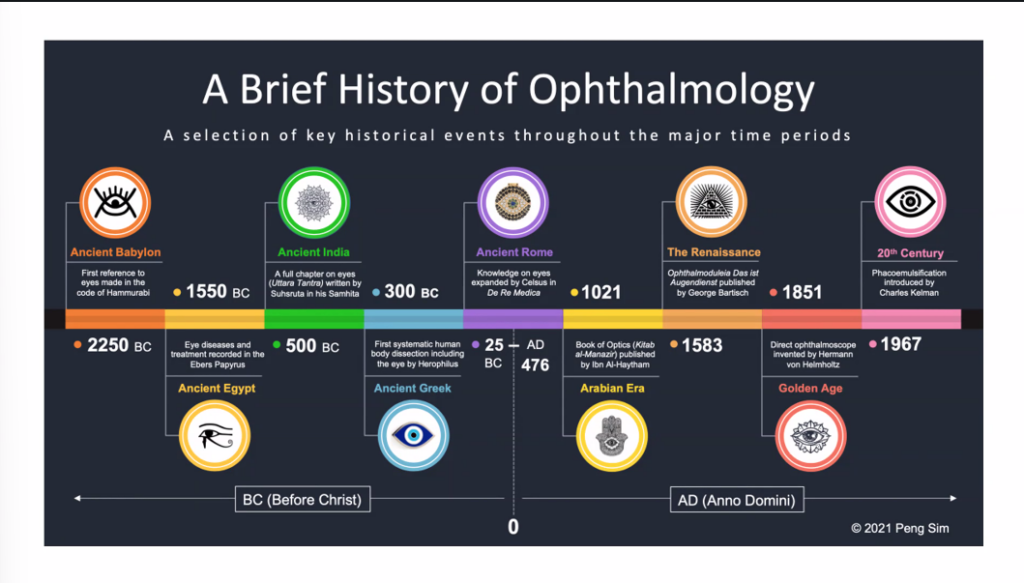
Ophthalmologists begin their training by attending medical school. They graduate with either a Doctor of Medicine (MD) or Doctor of Osteopathic Medicine (DO). Upon completion of their medical degree, they choose to specialize in the field of ophthalmology by completing a residency.
An ophthalmology residency is four years, beginning with an internship year, followed by three years focused on clinical and surgical eye care. After this, ophthalmologists can practice comprehensive ophthalmology independently or continue their education through fellowship training.
Ophthalmology fellowships are 1-2 years, depending on the sub-specialty. There are fellowships in cornea, external disease, and refractive surgery; glaucoma; retina/viteoretinal surgery; neuro-ophthalmology; oculoplastics and orbital surgery; pediatric ophthalmology and strabismus; and uveitis and ocular immunology.
Coordinating Specialty Care
Ideally, patients are evaluated by an optometrist for initial eye examinations. The optometrist is often referred to as the “primary eye care provider.” Referrals may be made to sub-specialty optometry clinics for specialty contacts, low vision rehabilitation, and double vision care. Referrals to ophthalmologists are made for opinions on management of complex conditions and/or surgical conditions. Coordinated management of specific eye conditions provides the best care for the patient; this starts with a commitment to education.
When it comes to coordinating specialty care, primary eye care providers are quarterbacks for both sub-specialty eye care and interprofessional collaboration. Advancing optometric education leads to more timely and appropriate referrals.
Glaucoma Care Integration
Glaucoma is a condition where pressure inside the eye is higher than the optic nerve can tolerate, leading to gradual optic nerve damage and vision loss. Typically, initial damage occurs without symptoms. Early signs can be detected at routine examinations to prompt further work-up and treatment when indicated. Integrated care allows for timely treatment and surgical management when indicated.
Usually, when treating early cases of glaucoma, lasers are often used. Because this is an integrated care system, Dr. Butts can go to one of the ophthalmologists working directly alongside her to ask, “Hey, this patient is a great candidate for laser. Would you mind taking care of this today?” This way, the patient does not have to come back. “This is really valuable, because patient time is important,” Dr. Butts said.
Specialty Contact Lenses
Specialty contact lenses are custom contact lenses designed for the exact contour and needs of the eye. They are utilized when traditional contacts and glasses will not provide adequate vision. They are ideal for patients with severe dry eyes who cannot tolerate most other lenses, and they can act as therapy for patients with trauma to the eye. Some lenses protect the eye, relieve pain, or help the surface heal. These lenses are used in conditions like keratoconus, corneal scars, transplants, and other post-surgical irregularities.
Dry Eye Integrated Care
Ocular surface disorders account for the bulk of primary eye care services in the U.S. Dry eye disease involves inflammation and sometimes requires longer exams with a more comprehensive evaluation of systemic health/environmental contributions. Specialized and customized care for patients who have tried more traditional dry eye treatments or are unresponsive to traditional treatments is offered. Some options are:
- Low light level therapy: targets vessels that bring inflammation to the ocular surface
- Intense pulsed light (IPL): stimulates the eyelid oil glands to work more efficiently
- BlephEx: removes excessive bacteria and debris from eyelids, a “deep clean” to help the eye produce better tears
Neuro Eye Integrated Care
Neuro-ophthalmology involves diagnosing conditions affecting the optic nerve, eye movements, and visual pathways and identifying serious or progressive neurologic conditions (stroke, MS, tumors, neurodegenerative disease).
Neuro-optometry evaluates how the brain and eyes work together and monitor neurological conditions and coordinate care in conjunction with neuro-ophthalmology. They also address functional deficits associated with traumatic brain injury/concussion, stroke, or neurologic disease. There is an emphasis on improving visual function in day-to-day activities.
Pediatrics
This area is where collaborative care is key. The team consists of pediatric ophthalmologists, geneticists, and optometrists. Optometrists are the primary examiners for failed vision screenings. They perform detailed ophthalmic evaluations for infants, children, and adolescents, including medically complex patients. They also fit and manage specialty contact lenses, diagnose and treat amblyopia (commonly referred to as “lazy eye”), slow the progression of “near-sightedness” (myopia management), and monitor and co-manage eye turns (strabismus) with pediatric ophthalmology, referring when surgical care is indicated. Additionally, pediatric optometrists contribute to Individual Education Plans (IEPs) for children’s success in school.
Low Vision Rehabilitation
Low vision rehabilitation coordinates with occupational therapists, mental health professionals, and students’ educational teams for children requiring IEPs. They work within inherited retinal disease (IRD) clinics to provide low vision screenings at the same time a retinal specialist visits. “Patients often travel from all over the world because we have two top IRD specialists,” Dr. Butts said.
Particularly in low vision, but in all the disciplines, by working together, “we’re able to provide a level of care that is really quite granular and tailored to patients,” Dr. Finkelstein said. Instead of doing the same thing or providing generic treatments to everyone, collaborative services allow the eye care team to provide specific care. This is a valuable service at UPMC.
Dr. Butts agreed and said, “Something I always say to the residents is when you collaborate, you elevate.”